
A Good Process Should Look Boring
Ever notice how the best processes are invisible? They just work. Like your morning coffee. Or opening your laptop. No drama, just results.
But that’s also why we rarely talk about them. We don’t even see them. When teams describe their operations, they share the neat steps.
“We got a message. A trigger fired. We created a task.” Sounds good. But what about the stuff between those steps? The delays? The distractions? That’s where the real process lives.
Like when that message sat unanswered because of a coffee run. Or that invoice got delayed by a 40-minute call. It’s easy to overlook this hidden layer.
These “in-between” moments are the true story. They are usually the most fragile part of any workflow. If you want to understand how a business really works, look for the gaps.
Pay attention to the pauses. The silent dependencies. That’s where the detective work begins. And where you find the real process.
Read next
Three nearby posts worth opening next.
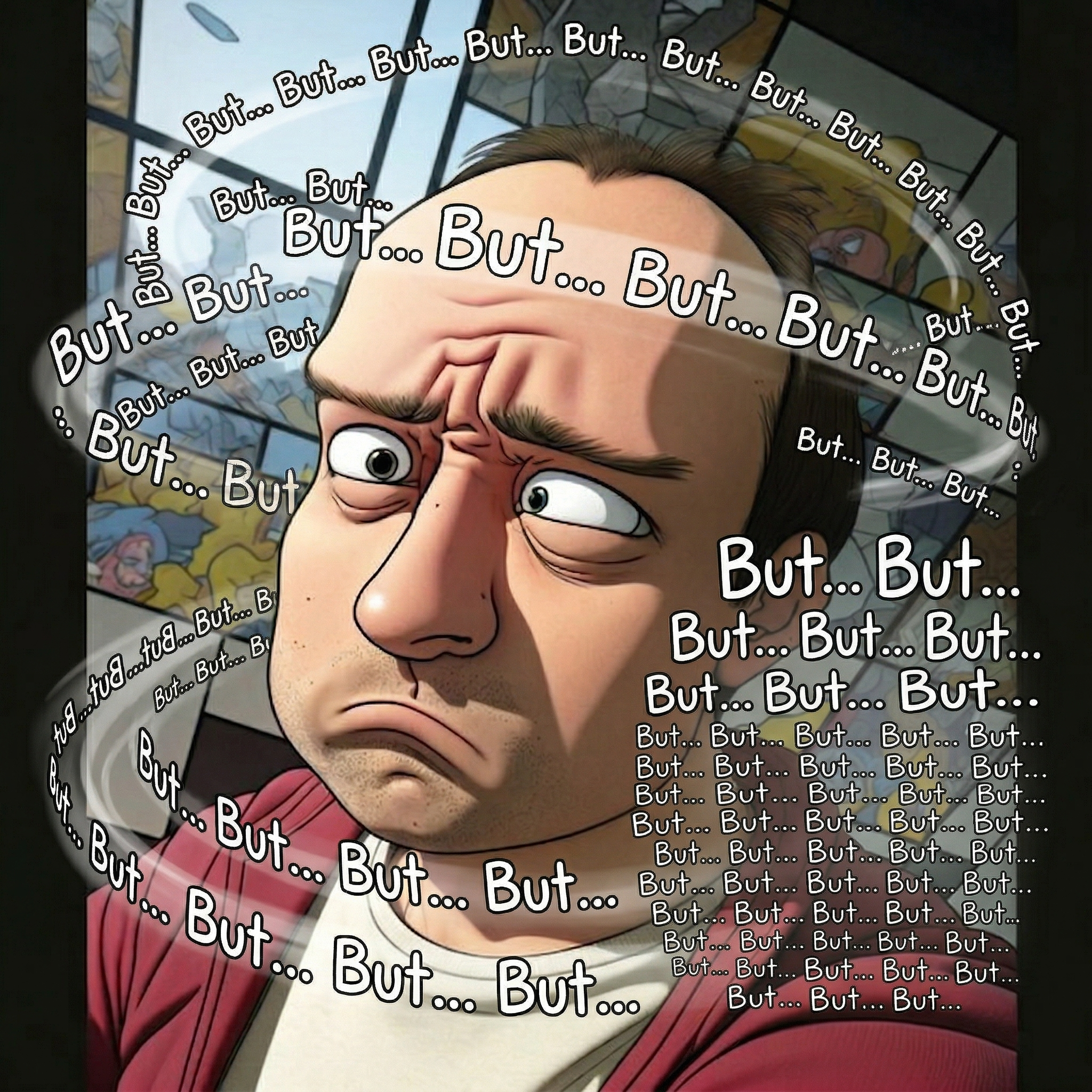
Apr 9, 2026
The Interesting Part Starts In The Constraints
Automation ideas always sound simple at first, until the business and its constraints force the solution into something stranger but more real.

Apr 11, 2026
We Are All Playing Tetris
Processes inside companies often grow like a Tetris board: one new piece at a time, until the whole structure looks normal only because people got used to it.
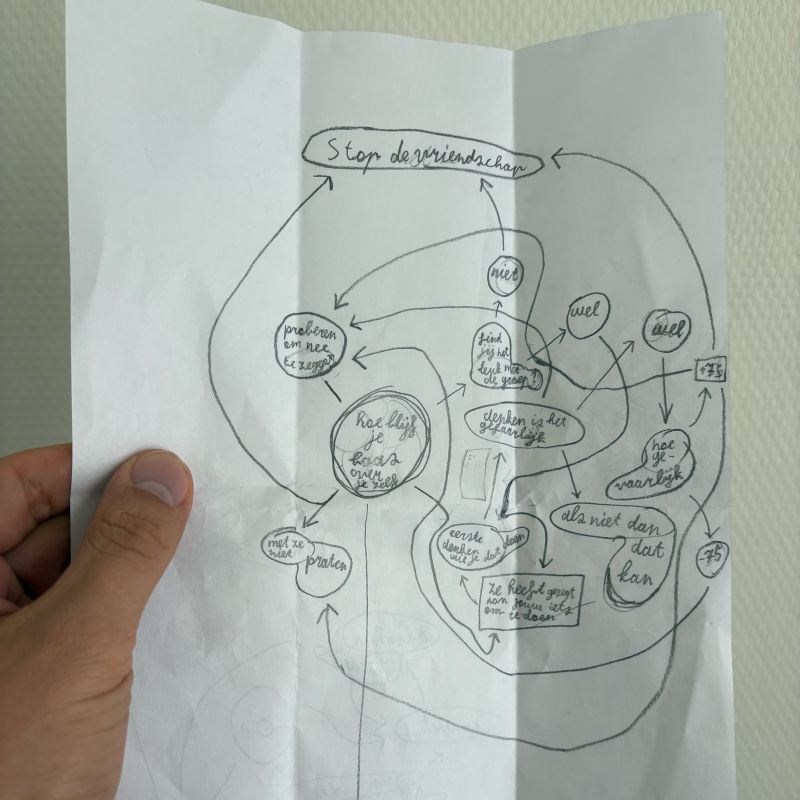
Apr 5, 2026
The Process Map
Before hiring or automating, map the process first — that's how you see what's repeated, what wastes founder time, and what's ready to change.