
We Are All Playing Tetris
Ever played Tetris? Companies are like Tetris players. We’re constantly trying to fit new shapes into our existing game. New clients, new tools, new processes… They all arrive unexpectedly.
At first, everything seems to fit. The lines build up neatly. It even feels elegant. Then, an awkward shape appears. You put it somewhere it doesn’t quite belong. It looks a bit crooked, but the game continues.
More normal shapes cover the mess. From the outside, things look fine again. This is exactly how processes build up in companies. Another employee, another approval step, a new workaround. Each time, we try to place the new piece in the best available spot, not the perfect one. “It works, so why break it?” We’ve all heard it.
Over the years, the system starts looking normal from the inside. But only because layer after layer has been placed on top of older, strange decisions. The missing piece isn’t another shape. It’s a fresh look at the board.
Historical logic eventually stops being useful logic. That’s when growth starts to slow. Remember Tetris when you see a strange process. We’re all playing the game. We just need to hit the reset button.
Read next
Three nearby posts worth opening next.

Apr 13, 2026
A Good Process Should Look Boring
The most important parts of a process are often the invisible pauses between visible triggers, where delays and real dependencies live.
Apr 9, 2026
The Interesting Part Starts In The Constraints
Automation ideas always sound simple at first, until the business and its constraints force the solution into something stranger but more real.
Apr 5, 2026
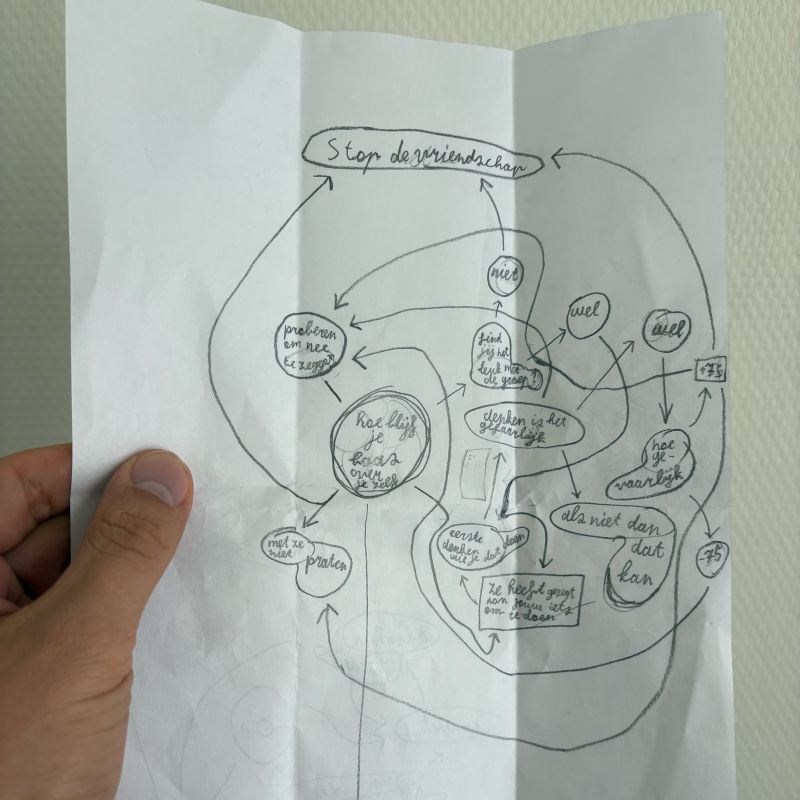
The Process Map
Before hiring or automating, map the process first — that's how you see what's repeated, what wastes founder time, and what's ready to change.