
The breaking point was entering the same invoice twice
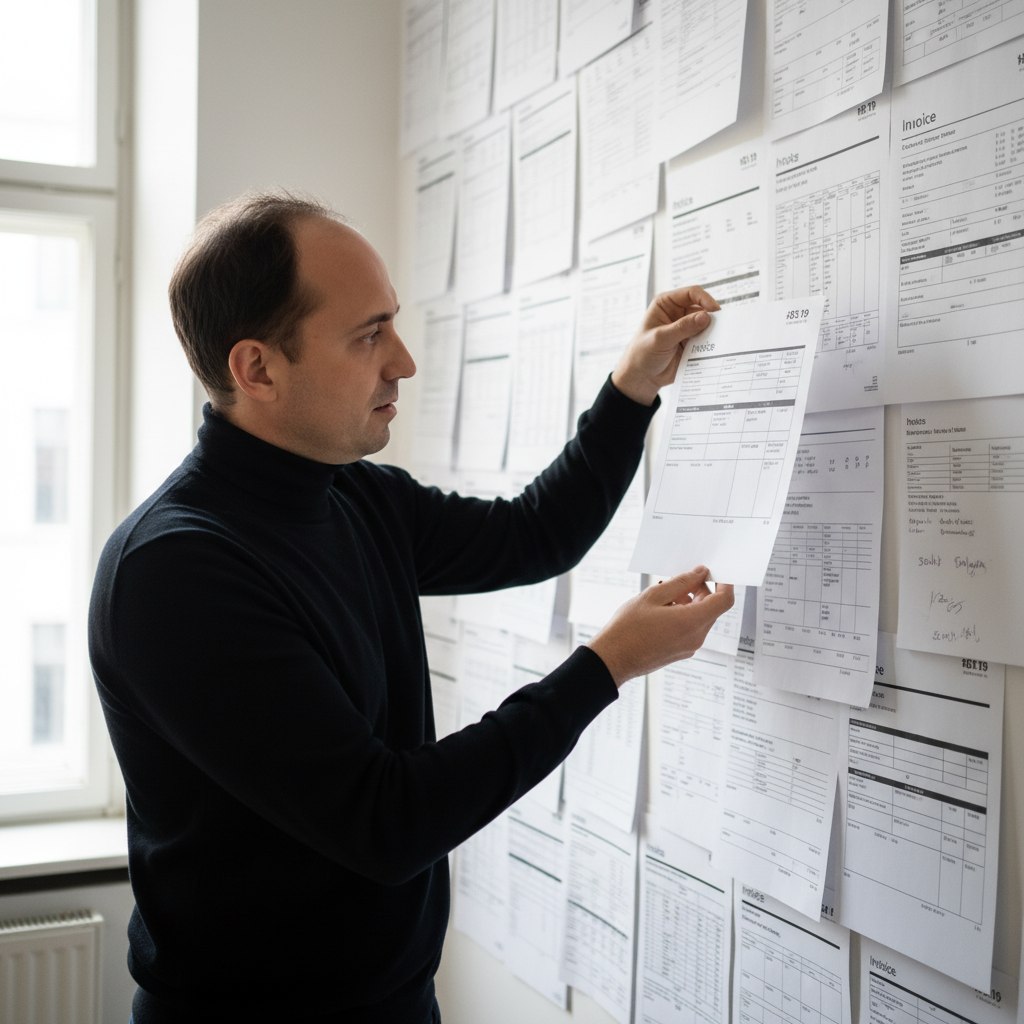
The breaking point wasn’t volume. It was entering the same invoice twice and then spending hours trying to find where the numbers stopped matching.
That’s the part people don’t talk about enough. Manual data entry at scale doesn’t just cost time — it generates errors that cost more time to trace than the original entry. One duplicate, one transposed digit, one wrong date. You don’t notice it immediately. You notice it when something downstream doesn’t reconcile, and by then the trail is cold.
Someone who automated their invoice processing after hitting this point made an observation that stuck with me: OCR wasn’t the hard part. The real challenge was inconsistent formats.
Every vendor has their own layout. Same information, different positions, different labels, different structures. The model handles the clean cases without trouble. The time goes into the invoices that don’t look like invoices — the one structured as a table spanning three columns, the one where VAT is listed separately in a footer, the one that’s technically a PDF but was clearly scanned at an angle.
What helped: not trying to handle every format perfectly, but flagging the uncertain extractions and routing them to a short review queue with the fields pre-filled.
The biggest win wasn’t speed. It was mental fatigue.
Repetitive data entry doesn’t just consume hours — it occupies attention in a way that makes everything else harder. Automating it doesn’t only free up time. It gives back the cognitive capacity that was being spent on an assembly line.
That’s harder to put in a spreadsheet. But it’s real.
Read next
Three nearby posts worth opening next.
May 6, 2026
The extraction took a day. The edge cases took a month.
PDF invoice extraction is the easy part. The hard part is what happens when the invoice doesn't look like an invoice.

May 21, 2026
300 invoices a month. That's not an AI problem.
At 5-10 minutes per invoice, 300 invoices a month is 25-50 hours of manual entry. The part most people skip is building the GL mapping table.
May 10, 2026
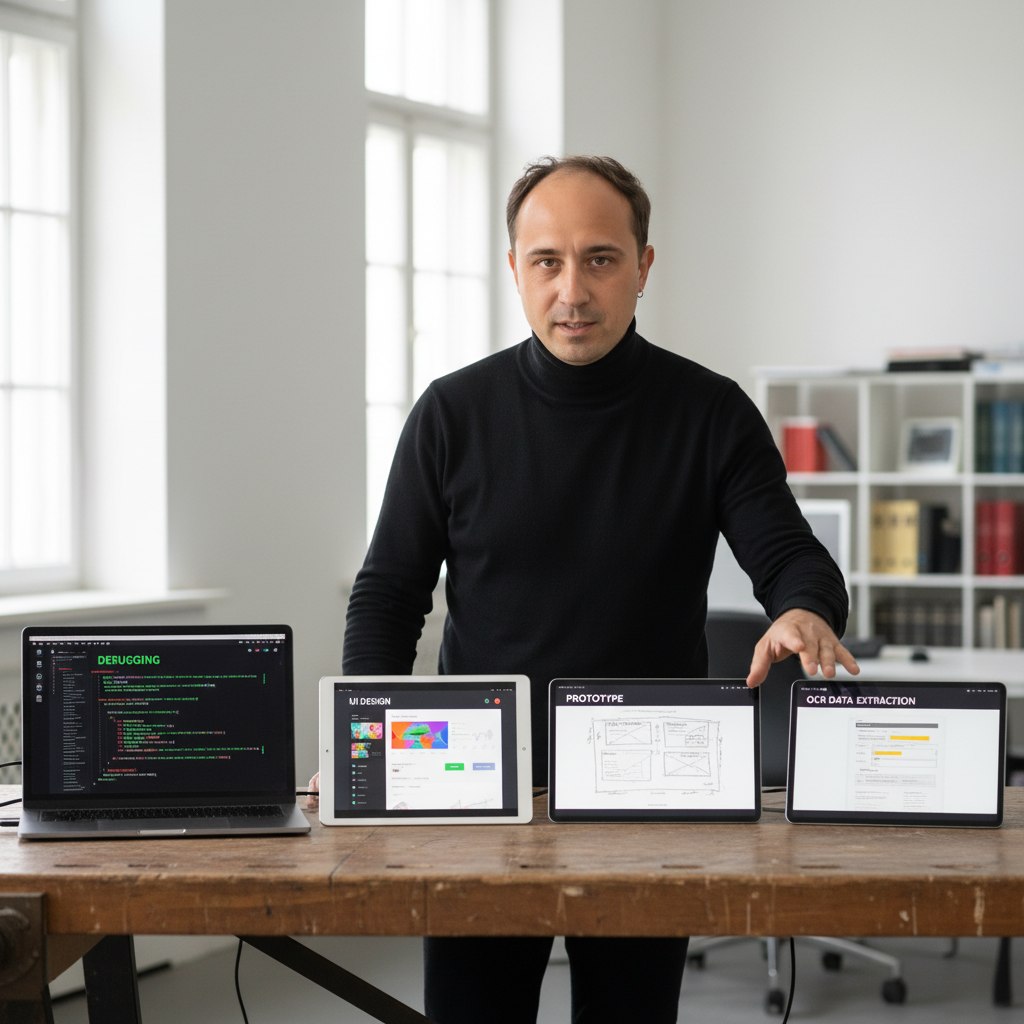
One engineer, four AI models, one finance SaaS
He used Claude for debugging, Gemini for UI, free models for prototyping, and paid OCR when accuracy actually mattered. Each model for the job it's good at.