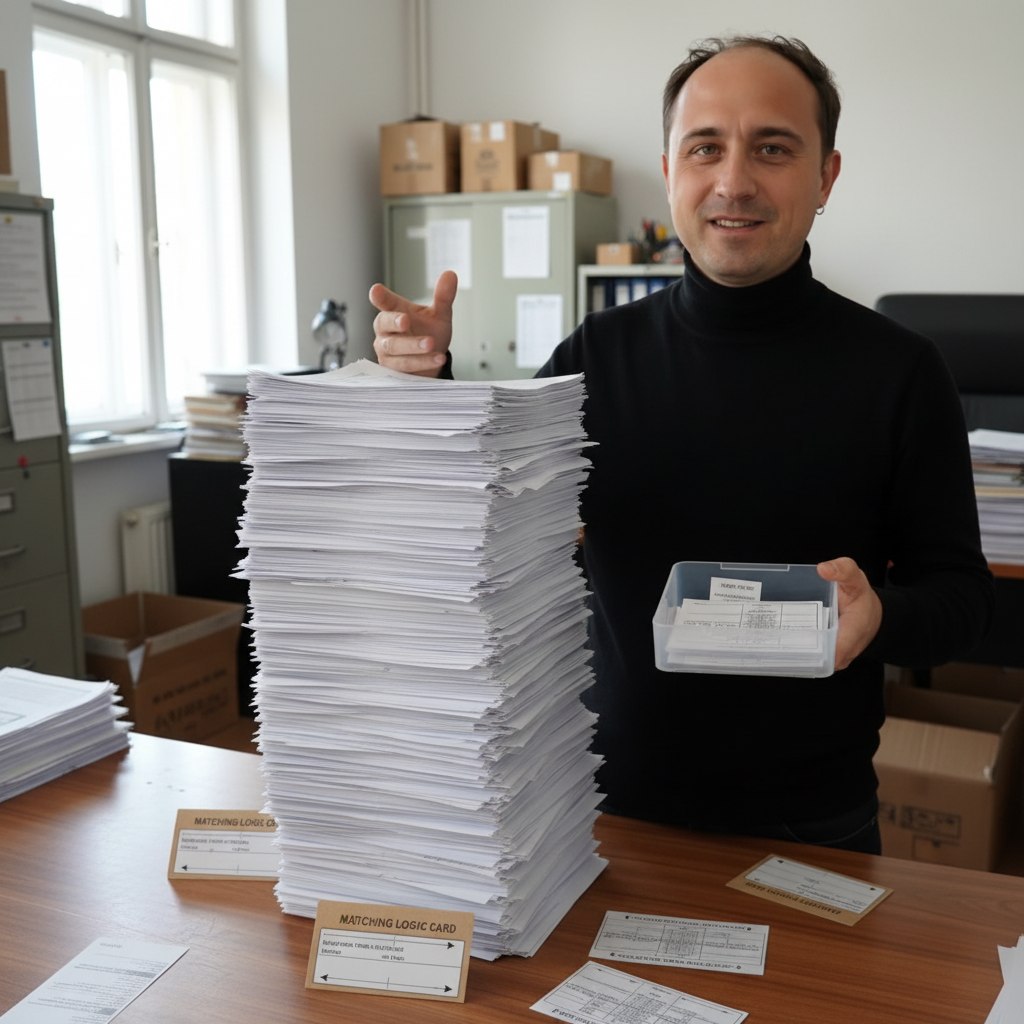
Scale changes the tools you need
A 30-line bank reconciliation is a different problem than a 3,000-line one.
Not harder conceptually — the logic is the same. But the approach that works for one breaks on the other.
For small volume: QBO or Xero bank rules. Set up matching conditions, auto-categorize what you can, review the rest manually. That’s fine. Manageable.
For large volume: you need structured bank files. MT940 format (used by most European banks) gives you transaction data that an ERP can ingest and match against open items programmatically — not “click to approve,” actual rule-based matching that runs without anyone watching.
The matching rules themselves are where most of the work is. Reference numbers, amounts, dates, counterparty names — tuning rules to catch 80% of transactions cleanly takes time. The other 20% go to exceptions, and that’s where the real complexity is: partial payments, consolidated transfers, intercompany transactions that net to zero.
Something that works well in practice: automate the obvious matches, route everything else to a short daily review queue. Five minutes on 20 exceptions beats four hours on 3,000 lines.
The mistake I see often: trying to automate the exceptions before the obvious matches are reliable. Get the clean cases working first. Then look at what keeps showing up in exceptions and build rules for those patterns specifically.
The boring matches are easy. The interesting ones are where you learn what the data actually looks like.
And that’s usually worth knowing.
Read next
Three nearby posts worth opening next.
May 2, 2026
The accountant who blamed the AI
AI in accounting is only as fast as the data behind it. Clients who try Claude for bank reconciliation and find it slow — the problem is rarely the model.
May 12, 2026
Small firm, no budget, all manual
Small accounting firms have the most to gain from automation and the least resources to start — the fix is bridging gaps, not replacing tools.
May 10, 2026
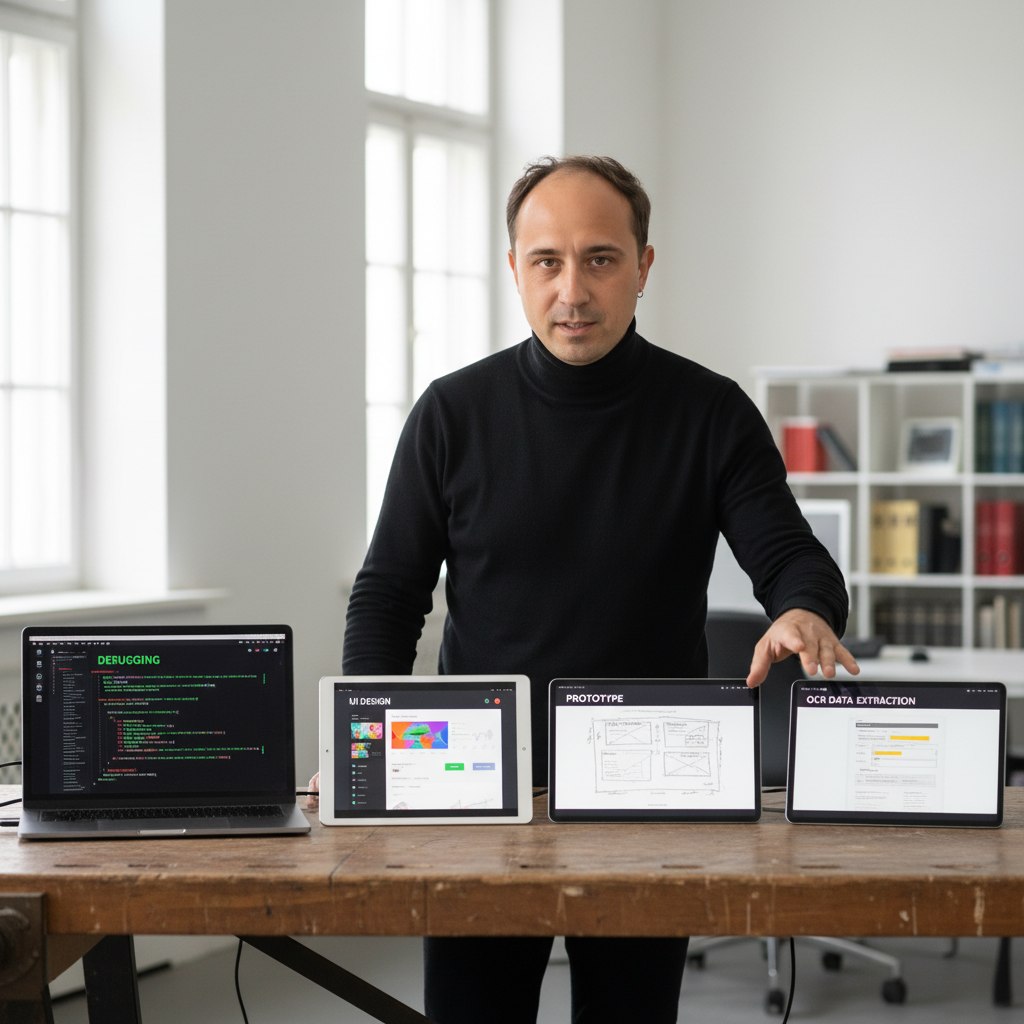
One engineer, four AI models, one finance SaaS
He used Claude for debugging, Gemini for UI, free models for prototyping, and paid OCR when accuracy actually mattered. Each model for the job it's good at.